Replacement Sash Windows in London: Combining Traditional Design with Modern Living
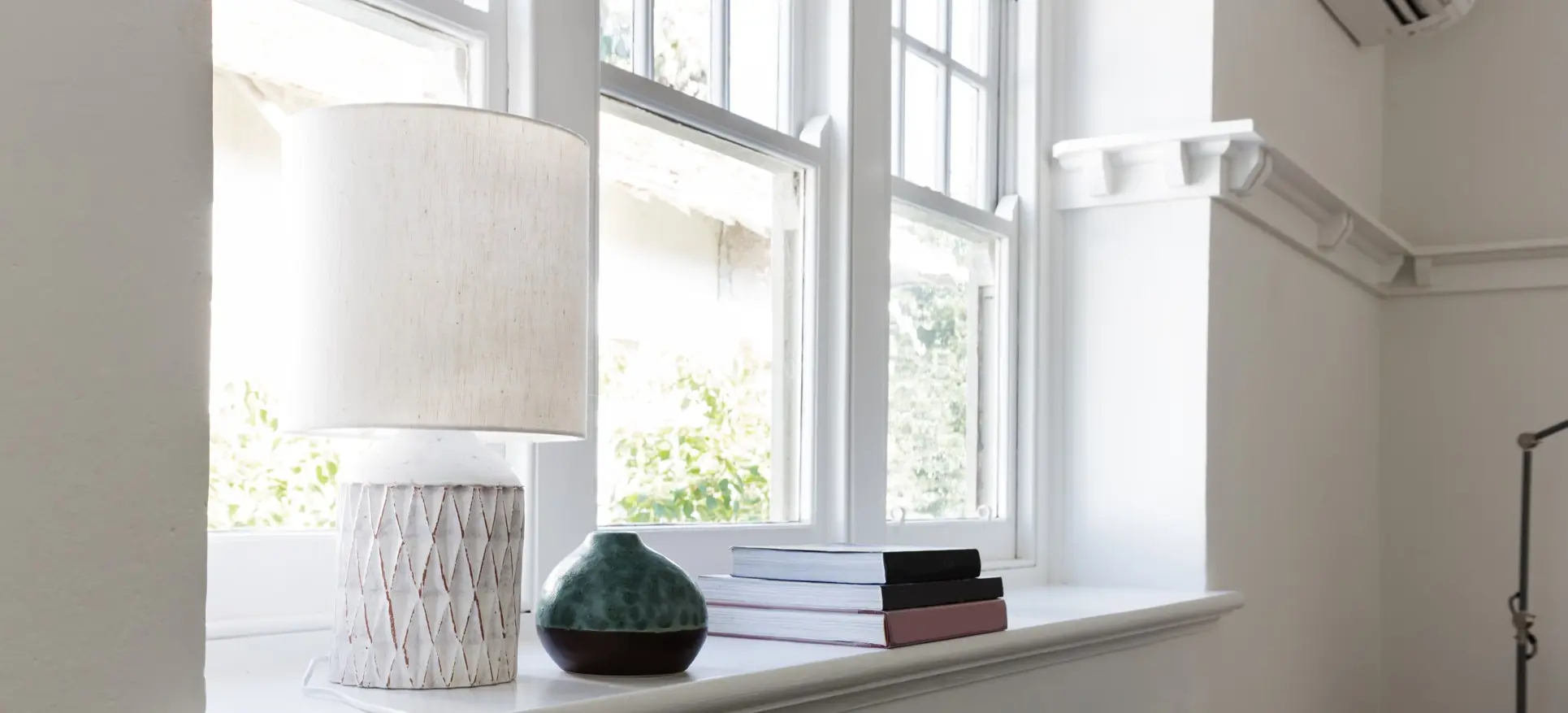
London's historic residential streets are characterised by distinctive architecture, elegant proportions and traditional building features that have remained popular for generations. From Georgian townhouses in central London to Victorian terraces and Edwardian family homes across the capital, sash windows have played an important role in shaping the appearance of British residential architecture. Their familiar sliding design continues to appeal to homeowners who appreciate traditional craftsmanship alongside practical functionality.
Choosing replacement sash windows in London involves more than selecting new frames and glazing. Homeowners must consider the architectural style of their property, the condition of existing windows, material choices, energy efficiency and installation requirements. For period buildings in particular, achieving the right balance between historical appearance and contemporary performance can make a significant difference to the finished result.
Sash windows first became widely established in British architecture during the seventeenth and eighteenth centuries. Their popularity increased as residential construction expanded, particularly in London, where symmetrical façades and carefully arranged window openings became prominent features of Georgian design.
Unlike conventional casement windows, sash windows operate through vertically sliding glazed sections. Traditional designs commonly incorporate concealed counterweights connected to the moving sashes by cords and pulleys. This balancing mechanism allows the windows to open smoothly without projecting outwards.
The arrangement remains practical for urban properties, particularly where windows overlook narrow pavements, small gardens or neighbouring buildings.
Modern replacement sash windows retain the fundamental operating principle while incorporating developments in materials, glazing technology and manufacturing methods.
These improvements can provide greater thermal efficiency, improved security and reduced maintenance requirements without necessarily changing the traditional appearance of the window.
However, the suitability of a particular replacement depends on the architectural characteristics of the building.
Georgian properties commonly feature relatively tall windows with multiple smaller panes separated by slender glazing bars. Six-over-six glazing arrangements are frequently associated with this period, although other configurations were also used.
Victorian sash windows often feature larger panes, reflecting developments in glass manufacturing during the nineteenth century. Two-over-two arrangements became increasingly common, while decorative sash horns appeared in certain designs.
Edwardian properties frequently incorporate generous glazing areas and more varied decorative arrangements. Some windows combine large lower panes with smaller sections above, creating a distinctive appearance.
When selecting replacement windows, preserving these architectural differences is important.
A design that looks appropriate in a Victorian terrace may not complement the proportions of a Georgian townhouse.
Frame thickness, glazing bar arrangements, meeting rail dimensions and decorative details should all be considered together.
For homeowners researching replacement sash windows in London, architectural compatibility is particularly important where neighbouring properties retain original windows.
In historic terraces, the consistency of window designs contributes to the overall appearance of the street.
Replacing traditional windows with products that have significantly thicker frames or unsuitable glazing arrangements can alter the visual balance of a building.
Careful surveying and appropriate product selection can help prevent these problems.
When Should Original Sash Windows Be Replaced?
Before committing to replacement, homeowners should establish whether their existing windows can be repaired.
Traditional timber sash windows were generally constructed using separate components, making many common defects repairable.
Broken sash cords, worn pulleys, damaged glazing putty and localised timber decay can often be addressed without removing the entire window.
Draught proofing and suitable glazing improvements may also enhance comfort while preserving original joinery.
However, replacement may become necessary where deterioration is extensive.
Severe timber decay, significant frame distortion or previous inappropriate alterations can compromise the structural condition of a window.
Where multiple components have deteriorated beyond practical repair, installing new sash windows may provide a more reliable long-term solution.
A professional assessment should examine the condition of the timber, glazing, operating mechanism and surrounding building fabric.
This helps establish whether restoration or replacement offers the most appropriate outcome.
The decision should not be based solely on the age of the window.
Well-maintained traditional timber sash windows can remain functional for many decades, while poorly manufactured replacements may require attention considerably sooner.
The quality of materials, installation and ongoing maintenance all influence service life.
Where replacement is justified, homeowners should consider the complete specification rather than concentrating exclusively on appearance.
The operating mechanism is one important detail.
Traditional weighted sash windows use cords, pulleys and concealed counterweights to balance the moving sections.
Modern replacements may retain this arrangement or incorporate spring-based balancing systems.
Both approaches can provide effective operation when correctly designed and installed.
However, the choice may depend on the window dimensions, glazing weight and available space within the surrounding frame.
The mechanism should be suitable for the intended installation and provide reliable operation over time.
Choosing Materials and Glazing for Replacement Sash Windows
Material selection has a significant influence on the appearance, durability and maintenance requirements of replacement sash windows.
Timber remains a popular choice for traditional properties because it can reproduce historic profiles and decorative details with considerable accuracy.
Bespoke timber sash windows can be manufactured to suit individual openings, allowing frame dimensions and glazing arrangements to reflect the original architectural design.
Modern engineered timber components may offer improved dimensional stability, helping reduce certain forms of movement associated with changes in moisture content.
Protective coatings can also improve resistance to weather exposure.
However, timber requires periodic maintenance.
External paintwork should be inspected regularly, particularly around joints, glazing edges and exposed horizontal surfaces.
Damaged coatings can allow moisture to penetrate, potentially leading to swelling or decay.
Homeowners should therefore consider both the initial appearance and the long-term maintenance requirements.
uPVC sash windows provide another option.
Modern systems can reproduce the vertical sliding operation and incorporate decorative features intended to resemble traditional timber designs.
Their main practical attraction is resistance to moisture-related deterioration and the absence of routine repainting requirements.
However, the appearance of uPVC products varies considerably.
Frame thickness, surface finishes and glazing bar arrangements can influence whether the finished installation complements a period property.
For historically sensitive buildings, these details may be particularly important.
Aluminium is another material used in window manufacturing, although it is more commonly associated with contemporary architecture.
Certain systems can offer relatively slim profiles and durable finishes.
However, their suitability for traditional sash window projects depends on the available design and architectural requirements.
For homeowners considering replacement sash windows in London, the choice of material should reflect the building's appearance, maintenance expectations and any applicable planning restrictions.
Energy efficiency is another major consideration.
Traditional single glazing generally provides less thermal insulation than modern insulated glazing units.
Modern double glazing can help reduce heat transfer and improve indoor comfort.
Insulated glazing units typically incorporate two panes separated by a sealed cavity.
Depending on the specification, this cavity may contain an insulating gas, while specialist coatings can help reduce heat loss.
However, the overall performance of a window depends on more than the glazing unit alone.
Frame construction, seals and installation quality all influence thermal efficiency.
A high-performance glazing unit may provide disappointing results if the surrounding frame is poorly fitted or significant air leakage remains.
U-values provide one way to compare thermal performance.
A lower U-value generally indicates reduced heat transfer through the relevant building element.
Homeowners should ensure that quoted figures refer to equivalent measurements, such as whole-window performance rather than glazing-only values.
Acoustic performance may also influence glazing selection.
London properties near busy roads, railway lines and commercial districts can experience substantial external noise.
Suitable glazing configurations and effective seals can help reduce sound transmission.
However, acoustic performance depends on the complete window assembly rather than glazing thickness alone.
Homeowners should discuss their main noise concerns before selecting a particular product.
Security is another important consideration.
Modern replacement sash windows may incorporate improved locking mechanisms and additional security features.
Sash stops and suitable restrictors may also be considered where appropriate.
However, security improvements should not interfere with emergency escape requirements or safe operation.
Ventilation must also be considered when improving airtightness.
Traditional double-hung sash windows can provide flexible airflow because the upper and lower sections may be opened independently.
Modern replacement windows may incorporate background ventilation arrangements where required by building regulations.
Reducing uncontrolled draughts can improve comfort, but adequate ventilation remains necessary to maintain indoor air quality and manage moisture.
Condensation is another issue frequently associated with older windows.
Moisture can form when humid indoor air comes into contact with sufficiently cold surfaces.
Improved glazing may reduce condensation on the internal glass surface, but it cannot eliminate every moisture problem.
Appropriate ventilation and moisture management remain important, particularly in kitchens, bathrooms and other areas where humidity levels are elevated.
Installation, Conservation and Long-Term Performance
London contains numerous conservation areas and listed buildings, making planning requirements an important consideration when replacing traditional windows.
Listed buildings are subject to additional controls, and alterations affecting their special architectural or historic interest may require listed building consent.
This can apply even where replacement windows appear visually similar to the originals.
Properties within conservation areas may also be subject to restrictions.
Article 4 directions can remove certain permitted development rights, meaning that work which might otherwise be allowed could require planning permission.
London boroughs may apply different local policies, so homeowners should consult the relevant planning authority before proceeding.
Building regulations must also be considered.
Replacement windows may need to satisfy requirements relating to thermal performance, ventilation, safety glazing and other aspects of construction.
In England, qualifying work may be certified through an authorised competent person scheme, or building control approval may be required.
The correct process depends on the property and nature of the installation.
Obtaining appropriate documentation can be important when selling a property or demonstrating that alterations were completed in accordance with applicable requirements.
Installation quality plays a major role in the long-term performance of replacement sash windows.
Traditional London properties frequently contain openings that are not perfectly square or uniform.
Older masonry may have moved slightly over time, while previous repairs can create variations between apparently identical windows.
A detailed survey should establish the dimensions of each opening, the condition of surrounding materials and any architectural details that need to be preserved.
Poor installation can contribute to draughts, water penetration, operational difficulties and premature deterioration.
Correct sealing and appropriate fixing methods help ensure that the window performs as intended.
The balancing mechanism also requires careful installation.
Traditional weighted systems must be correctly adjusted to support the moving sashes.
Modern spring-based systems have different installation and maintenance requirements.
The chosen mechanism should be suitable for the window's size and weight.
For homeowners researching replacement sash windows in London, choosing an installer with experience of traditional sash windows and older building construction can help reduce the risk of unsuitable alterations.
Examples of completed work may provide useful evidence of installation quality and attention to architectural detail.
The quotation process should also be approached carefully.
A detailed quotation should identify the proposed materials, glazing specification, hardware, finishes and installation responsibilities.
It should explain whether existing frames will be removed, repaired or retained.
The treatment of surrounding plasterwork, internal decoration and external finishes should also be discussed.
Two quotations may appear similar while covering substantially different products and levels of service.
Homeowners should therefore compare the complete specification rather than concentrating solely on price.
The cost of replacement sash windows varies according to the number and size of windows, material selection, glazing requirements and installation complexity.
Bespoke timber windows with traditional decorative details may require more specialised manufacturing than standard replacement products.
Access restrictions can also influence expenditure, particularly for upper-floor installations.
Scaffolding or other specialist equipment may be necessary in certain circumstances.
Properties situated on busy streets or in restricted locations may present additional logistical challenges.
Guarantees and aftercare arrangements deserve attention.
Different guarantees may apply to glazing units, frames, hardware and installation workmanship.
Homeowners should understand what is covered, how long the relevant guarantees apply and whether particular maintenance obligations must be followed.
Long-term value depends on durability, performance and suitability for the building.
A lower initial price may not represent the most economical option if the product requires premature replacement or extensive maintenance.
Conversely, a more expensive specification may include features that provide little practical benefit for the particular property.
Maintenance should continue after installation.
Timber windows may require periodic repainting and inspection of exposed joints.
uPVC and aluminium systems generally require cleaning and maintenance of moving components, seals and drainage arrangements.
Locks, balances and other hardware should be checked according to manufacturer recommendations.
Regular attention can help identify developing problems before they require more extensive repairs.
Sustainability is another consideration when choosing replacement windows.
Retaining serviceable timber sash windows can preserve original materials and reduce the need for manufacturing replacement products.
Where replacement is necessary, durability and long service life become important factors.
The environmental impact of different materials depends on sourcing, manufacturing, transport, installation, maintenance and eventual disposal.
Energy savings should also be considered in the context of the whole building.
Improving windows can contribute to comfort and reduced heat loss, but walls, roofs, floors and heating systems also influence overall energy efficiency.
Homeowners should avoid assuming that replacement windows alone will resolve every insulation problem.
Architectural character can also influence property appeal.
Original sash windows often contribute significantly to the identity of London's Georgian, Victorian and Edwardian homes.
Unsympathetic replacements can alter the appearance of these buildings, particularly where bulky frames or inappropriate glazing arrangements are introduced.
Carefully selected products can preserve visual character while addressing practical requirements.
However, the effect on property value varies according to location, condition and buyer preferences.
Homeowners should prioritise suitable workmanship and long-term performance rather than assuming that every improvement will automatically increase market value.
For larger properties, it may be practical to replace windows in stages.
This can help spread expenditure and reduce disruption, although consistent specifications should be maintained throughout the building.
A complete schedule of existing windows can help identify which require immediate attention and which may remain serviceable for several years.
Careful planning can also reduce the risk of selecting different products or finishes during separate phases of work.
Communication throughout the installation process remains important.
Homeowners should understand the proposed programme, access requirements and likely disruption.
Temporary exposure to the weather, removal of internal finishes and the need for additional repairs should be discussed where relevant.
A clear installation plan helps establish realistic expectations and reduces the likelihood of unexpected difficulties.
After installation, each window should be checked for smooth operation, effective locking and suitable sealing.
Any concerns should be raised promptly so that adjustments can be completed before the project is considered finished.
London's period homes deserve replacement windows that respect their original architectural character while meeting modern expectations for comfort, security and energy efficiency. By selecting appropriate materials, glazing arrangements and installation methods, homeowners can achieve improvements that complement the building rather than detract from it. Investing in carefully specified replacement sash windows in London can help maintain the distinctive appearance of traditional properties while providing reliable functionality and improved living conditions for years to come.